Corporate hampers are the modern equivalent of a “thank‑you” card that Thank you cards actually tastes good. Whether you’re rewarding top performers, welcoming new hires, or celebrating a milestone, a well‑chosen hamper can boost morale and reinforce brand identity. But the question remains: What are the best practices for corporate hamper cost control? In this article we’ll walk through proven strategies, sprinkle in a light touch of humor, and help you keep your budget in check without sacrificing quality.
Start with a clear objective
Before you even think about the contents of a hamper, ask yourself: what is the goal? Is it to build goodwill, reward loyalty, or simply say “thanks” after a big project? Defining the purpose narrows down the options and prevents the temptation to splurge on unnecessary extras.
Align the hamper with your brand
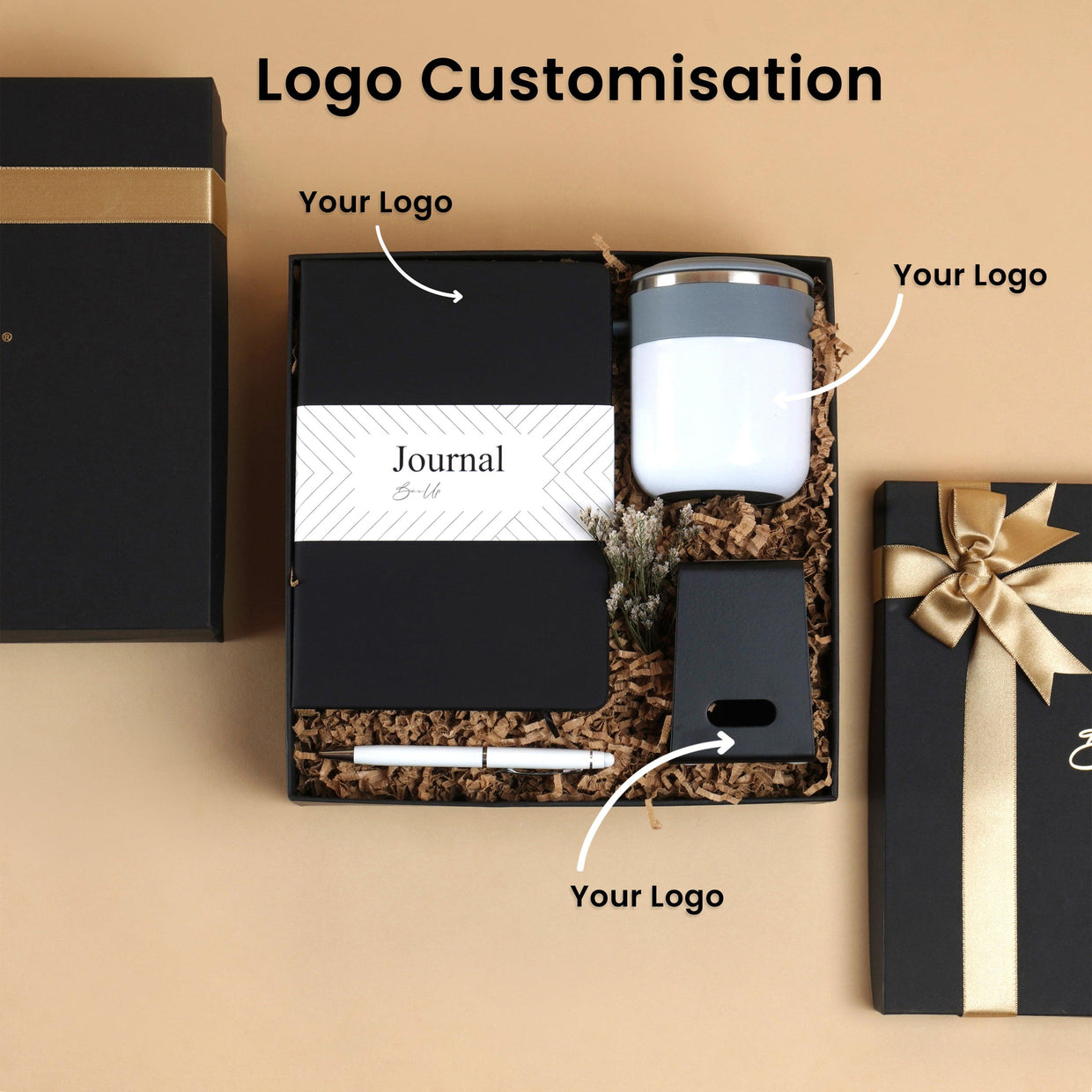
- Consistent branding: Use packaging that reflects your company’s colors or logo. Target audience: Tailor the items to the tastes of the recipient—chefs love gourmet sauces, while office workers might appreciate artisanal coffee. Message clarity: A short note or tagline can reinforce the purpose and keep the cost focused.
Set a realistic budget
Think of budgeting like planning a road trip: you need a map, but you also have to watch your fuel consumption. Set a per‑hamper limit and stick to it. A handy rule of thumb is the “rule of three” – three main items plus a small bonus keeps costs predictable.
Choose cost‑effective suppliers
Finding the right supplier can mean the difference between a luxury hamper and a “budget” one that feels like a cheap knock‑off. Here’s how to shop smart.
Bulk purchasing
Buying in bulk often yields significant discounts. For example, ordering 100 boxes of premium chocolates from a wholesale distributor can be cheaper per unit than buying single pieces.

Negotiate terms
- Volume discounts: Ask for a tiered pricing structure. Long‑term contracts: Lock in prices for the next fiscal year. Bundled services: Some suppliers offer free packaging or delivery if you meet a minimum order.
Vet quality
A low‑cost item that breaks or tastes read more bad can damage your brand more than a slightly pricier, reliable alternative. Request samples before committing.
Streamline the hamper composition
A cluttered hamper can be expensive and overwhelming. Keep the design simple but thoughtful.
Stick to a core theme
- Food & beverage: Artisan cheese, nuts, or a bottle of wine. Wellness: Herbal teas, essential oils, or a small fitness gadget. Office essentials: High‑quality notebooks, pens, or a desk plant.
Use seasonal items
Seasonal produce or limited‑edition items often come at a lower price because suppliers want to clear inventory. They also add a sense of freshness and relevance.
Add a personal touch
A handwritten note or a small custom item (e.g., a branded keychain) can make a hamper feel premium without inflating the cost dramatically.
Leverage technology for cost tracking
Modern procurement tools can help you monitor spending in real time.
Digital catalogues
- Price comparison: Quickly spot the best deals across suppliers. Availability alerts: Know when items are out of stock before you order.
Automated invoicing
Set up alerts when orders exceed a certain threshold. This prevents surprise expenses and keeps the finance team in the loop.
Involve the team
Sometimes the best cost‑saving ideas come from the people who will receive or manage the hampers.
Feedback loops
Ask past recipients what they liked and what they’d skip next time. Use this data to refine future selections.
Cross‑department collaboration
Involve marketing, HR, and finance to balance brand image, employee satisfaction, and budget constraints. A well‑coordinated effort is like a well‑tuned orchestra—each section knows its part, and the result is harmonious.
Monitor and evaluate
After each hamper cycle, review what worked and what didn’t. Keep a simple spreadsheet with columns for:
- Item cost Supplier Recipient feedback Delivery time
Ask yourself: Did the hamper meet its objective? If not, adjust the next batch accordingly.
Rhetorical reflection
What if you could reduce costs by 10% without sacrificing quality? Imagine the extra funds you could allocate to employee development or sustainability initiatives.
A lighthearted anecdote
Last year, a mid‑size tech firm decided to surprise its senior developers with a gourmet hamper. They ordered a deluxe chocolate box, a bottle of wine, and a personalized mug. The next day, a developer opened the hamper to find the wine bottle had a tiny cork that didn’t fit the seal. Turns out the supplier had mislabeled the packaging. The team laughed, shared the story on the company Slack channel, and decided to double‑check the supplier’s labeling next time. The lesson? Even the smallest oversight can become a bonding moment if handled with humor.
A quote to remember
> “The cost of a mistake is higher than the cost of a good plan.” – Anonymous
This reminds us that careful planning and clear objectives can save more money than ad‑hoc decisions.
Wrap‑up: Making your hamper strategy a win‑win
By setting clear objectives, negotiating smartly, simplifying the hamper contents, and using technology to track expenses, you can keep corporate hamper cost control in check. Remember, the goal is to deliver a memorable experience that reflects your brand without draining the treasury. Treat each hamper as a small investment in goodwill—a tiny seed that can grow into lasting loyalty.
Now that you’ve got the playbook, go ahead and craft hampers that delight, delightfully, without breaking the bank. The next time a colleague opens a hamper, let the smile say it all—no extra words needed.